Programming
Start Learning Programming: A Beginner's Guide

You want to learn programming, whether to land a job at a top tech company or to build your own applications, but you are not sure where to begin. That confusion is normal. Programming means learning a new language to express ideas in, and there is no shortcut past that.
This guide covers the three mistakes most beginners make, then walks through a practical starting path.
Is Programming Difficult?
Programming is the practice of giving computers precise instructions. Humans talk to each other in English, Hindi, Spanish, or French. Computers only accept instructions written in a specific syntax called a programming language. Python, Java, C, and C++ are four of those languages.
How hard it is depends on two things: the type of programming you are learning, and how you approach it. The same material feels straightforward to one person and frustrating to another. That difference is almost never intelligence. It is almost always method.
Coding (writing individual instructions) is the entry point. It is simpler than full-scale software engineering, which layers architecture, tooling, and team coordination on top.
3 Mistakes Beginners Make
Mistake 1: Watching tutorials instead of building
Most beginners watch YouTube tutorials or read recommended books and feel good about the progress. Then they face a real project and freeze. They know the syntax but cannot apply it without hand-holding.
The fix is project-based learning. After each concept, write a small program that uses it. Build a calculator before you finish the chapter on functions. Reverse an array before you move on from data structures. The gap between knowing and doing closes only through doing.
Mistake 2: Learning for the wrong reason
A friend’s job at a tech company looks exciting. You start a course. A few weeks in, you hit a wall and the motivation disappears.
If you code only because it seems cool from the outside, you will not push through the hard parts. Before committing to months of study, spend two weeks on a short course just to see whether you actually like the work. If you do, the hard parts become problems to solve rather than reasons to quit.
You can find structured short courses at reputable online academies or through a recommendation from someone in the field. The goal is honest feedback, not a certificate.
Mistake 3: Giving up before the mental model forms
Every programmer hits the same wall: a new concept makes no sense. Variables, pointers, recursion, object-oriented design. Each one feels opaque until it suddenly does not.
Accept that confusion is part of the process. When a topic is unclear, gather more sources on that specific topic and stay with it until it clicks. Do not move forward on a shaky foundation. The topics build on each other, so a gap at step 3 makes every step after it harder.
A mentor accelerates this because they show you best practices from the start. Teaching yourself is possible, but it takes longer and often means unlearning bad habits later.
How to Choose Your First Programming Language
No programming language guarantees the highest salary. Your depth in one language and one framework, plus solid fundamentals in algorithms and data structures, determines what you earn. Spreading across five languages at surface level helps no one.
Pick one language based on where you want to work:
- Web development (front-end or full-stack): start with HTML and CSS, then JavaScript
- Android mobile development: Java or Kotlin
- iOS development: Swift
- Data science, AI, or machine learning: Python
- General foundation (recommended for complete beginners): C programming. It teaches compilers and interpreters, source code concepts, operators, functions, data types, arrays, and pointers. Every language you learn after C feels easier because the fundamentals are already in place.
Stick with one language until you can build real things in it. Switching languages every few weeks is the fastest way to stall.
If you need help working through assignments while you build that foundation, Do My Programming Homework connects you with developers who specialize in the specific language you are learning.
Problem-Solving Matters as Much as Syntax
Programming is not about memorizing a language. It is about solving problems with it. In a technical interview, the employer is watching how you break down a problem, not whether you can recall a method name.
Build as many small projects as you can. Take internships. Compete on platforms like HackerRank or LeetCode. Every project adds a problem-solving pattern to your toolkit that no tutorial can teach in isolation.
Build Fundamentals Before Touching Frameworks
A common shortcut is to jump straight to frameworks like React, Spring Boot, or Django before understanding the language underneath. Frameworks add abstraction on top of things you do not yet understand, which multiplies the confusion.
Instead, start here:
- Pick one language
- Write programs using only its standard library
- Cover variables, control structures, functions, and basic data structures
- Build 3-5 small projects from scratch
- Then add a framework once the language itself feels natural
If you are in college, your coursework covers the basic concepts. If you are learning independently, Computer Science Homework Help covers data structures, algorithms, and CS fundamentals across languages.
Related Reading
- Is It Hard to Learn Programming? covers the difficulty question in detail, with specific topics that trip up most beginners
- 5 Core Programming Concepts Explained walks through the five concepts that appear in every programming language, with code examples
Related articles
-
 Java
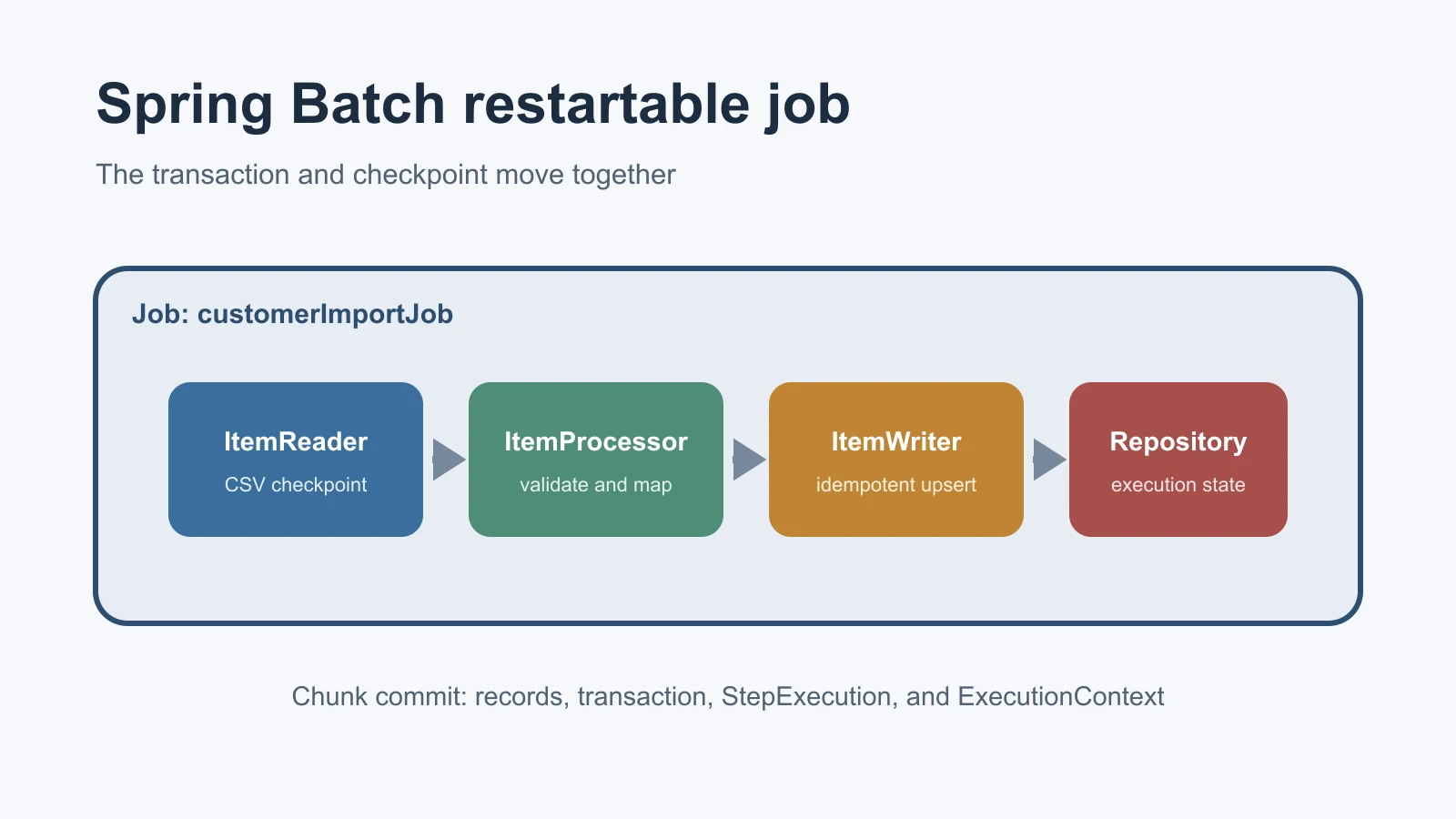
JavaSpring Batch: A Practical Guide to Restartable Jobs
Learn Spring Batch 6 through a restartable CSV-to-database job covering jobs, steps, chunks, metadata, fault tolerance, parameters, testing, and scaling.
Sep 23, 2026
-
 Programming
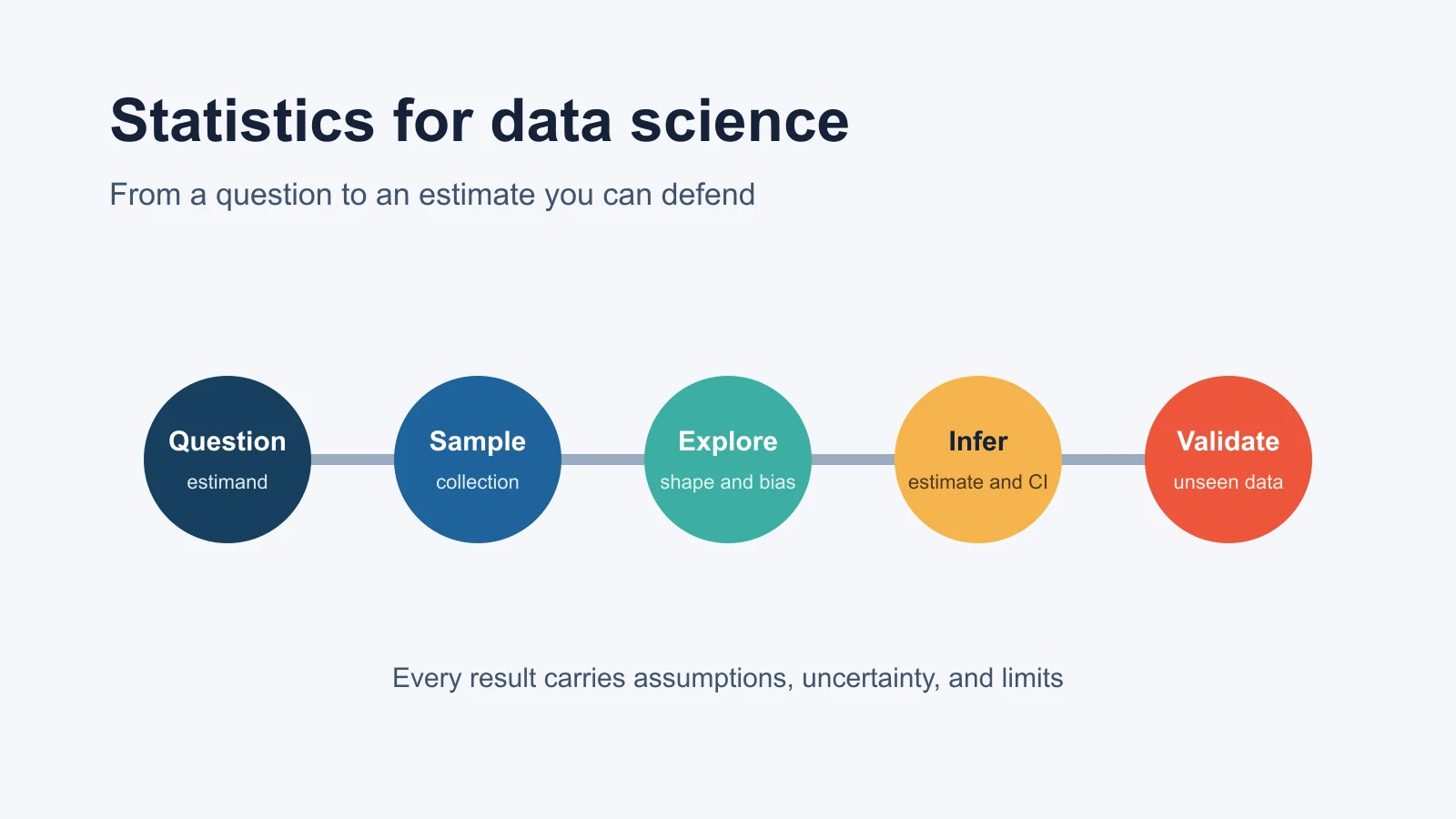
Statistics for Data Science: Complete Guide with Examples
Learn the statistics behind data science with Python examples on distributions, sampling, confidence intervals, hypothesis tests, regression, and leakage.
Sep 23, 2026
-
 Case Study
Autograder Fixed in Under 24 Hours: 100/100
How our networking expert diagnosed a broken distance vector routing submission and delivered a 100/100 autograder score before the deadline.
Sep 2, 2025